





Introduction to Passive Fire Protection in Healthcare Buildings

  • Home
  • Portfolio Item
  • Introduction to Passive Fire Protection in Healthcare Buildings

Introduction to Passive Fire Protection in Healthcare Buildings

Passive fire protection (PFP) is a vital component of fire safety in healthcare buildings, where protecting vulnerable occupants and maintaining critical services are of the highest importance. The purpose of PFP is to contain fire and smoke within a defined area, slow their spread, and preserve the structural stability of the building. This allows time for safe evacuation or the implementation of a “defend in place” strategy, which is common in hospitals and care facilities.

Unlike active fire systems such as sprinklers or alarms, passive fire protection measures are built into the fabric of the building and operate continuously without the need for activation. In healthcare environments — including hospitals, clinics, and care homes — PFP plays a crucial role in maintaining fire compartments, protecting escape routes, and ensuring that essential areas such as operating theatres, wards, and plant rooms remain protected during a fire event.

Passive Fire Protection in Hospitals | ATE Fire

Typical passive fire protection systems in healthcare buildings include fire-resisting walls, floors, and ceilings; fire doors; cavity barriers; service penetration seals; and intumescent coatings applied to structural steelwork. These systems are designed and tested to meet strict fire resistance requirements and must be installed in accordance with manufacturer guidance, tested details, and healthcare-specific standards such as HTM 05-02: Firecode, Approved Document B, and BS 9999.

Properly designed and maintained passive fire protection not only ensures compliance with healthcare fire safety regulations but also safeguards patients, staff, and essential medical operations. By containing fire and smoke at their source, PFP helps to protect lives, reduce damage, and maintain the resilience and functionality of healthcare facilities during an emergency.

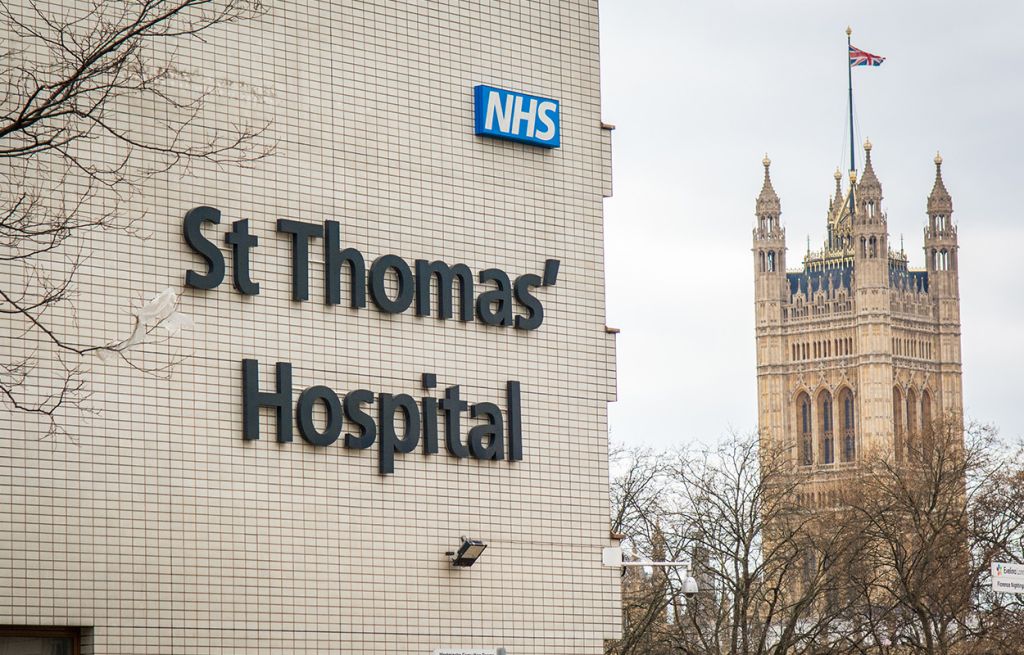
St Thomas' Hospital

GSTT The Core, St Thomas’s Hospital

(Morgan Sindall)

NHS - NHS Trust - Ipswich Hospital

Newmarket Hospital – Community Diagnostic Ctr, Exning Rd, Newmarket

(Morgan Sindall)

NHS - NHS Trust - Ipswich Hospital

NNUH Diagnostics & Assessment Centre, Colney Lane, Norwich

(Morgan Sindall)

NHS - NHS Trust - Ipswich Hospital

Ipswich Hospital

(Beardwell Construction)

Latest Projects

Clear Filters
Introduction to Passive Fire Protection in Commercial Buildings
Introduction to Passive Fire Protection in Residential Buildings
Introduction to Passive Fire Protection in Industrial Buildings