





Introduction to Passive Fire Protection in Industrial Buildings
- Home
- Portfolio Item
- Introduction to Passive Fire Protection in Industrial Buildings
Introduction to Passive Fire Protection in Industrial Buildings
Passive fire protection (PFP) plays a vital role in safeguarding industrial buildings, where the potential fire risks are often heightened due to the presence of machinery, combustible materials, or manufacturing processes. The primary purpose of PFP is to contain and control the spread of fire, smoke, and heat within the structure, protecting both the building’s integrity and the safety of personnel on site.
Unlike active fire systems such as sprinklers or detection alarms, passive fire protection measures are built into the fabric of the building and function automatically without the need for activation. They provide continuous, reliable fire resistance that can help prevent catastrophic structural failure, limit damage to critical assets, and minimise business disruption
In industrial environments — such as warehouses, factories, and processing plants — effective PFP is achieved through a combination of compartmentation, fire-resisting walls and floors, intumescent coatings on structural steelwork, and appropriate fire-stopping around service penetrations. These elements work together to maintain fire resistance for a specified duration, giving occupants time to evacuate and emergency responders time to control the incident.
All passive fire protection systems in industrial settings must be designed, installed, and maintained in accordance with manufacturer specifications, tested details, and relevant standards such as Approved Document B, BS 9999, and BS EN 13381. Properly implemented, PFP not only supports compliance with fire safety legislation but also ensures business continuity and the long-term resilience of the facility.
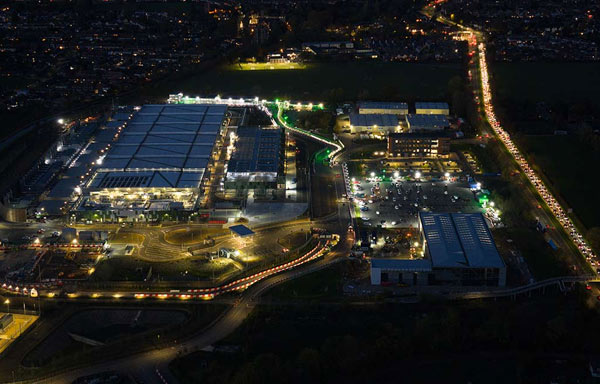
Rolls Royce Chichester
(TSL)
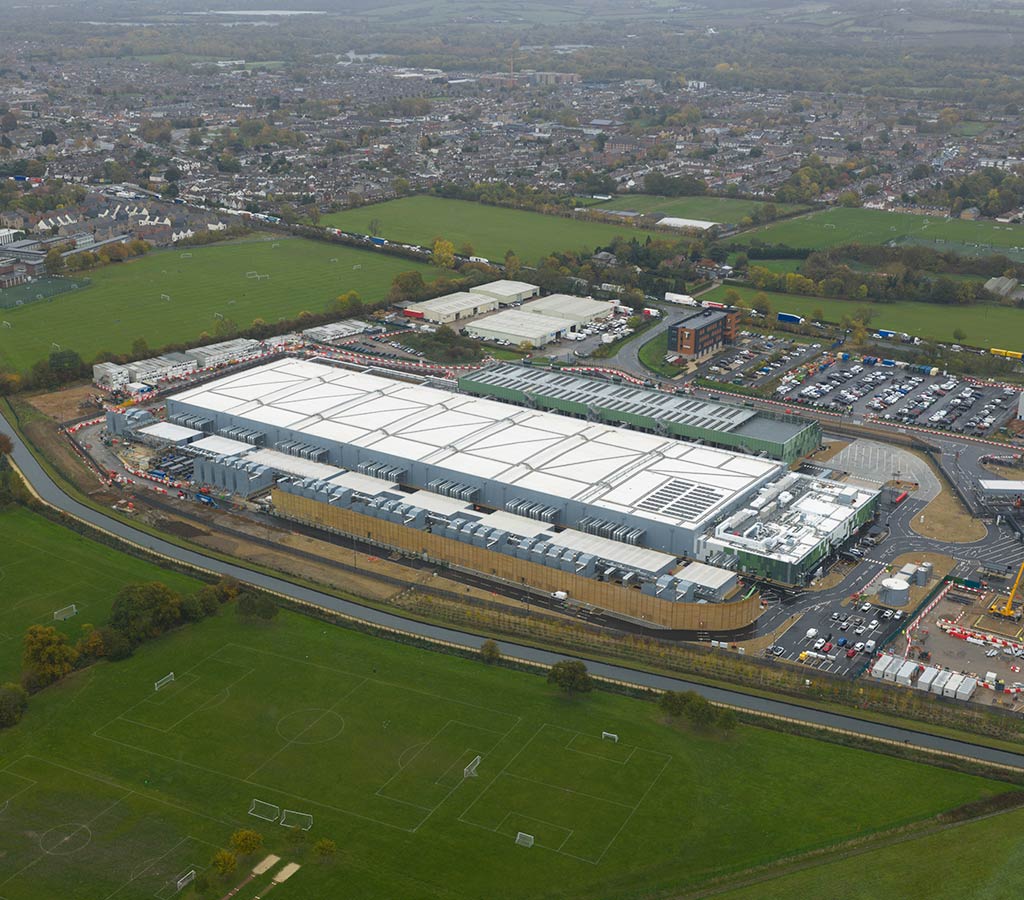
Google Waltham Cross
(TSL)
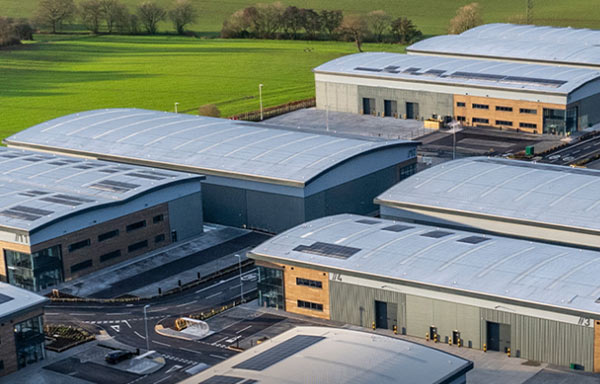
Centurion Park
(Mclaren Construction)
Bentley Motors
(Goldbeck)
