
Introduction to Passive Fire Protection in the Leisure Sector
- Home
- Portfolio Item
- Introduction to Passive Fire Protection in the Leisure Sector
Introduction to Passive Fire Protection in the Leisure Sector
Passive fire protection (PFP) is an essential element of fire safety design within the leisure sector, where large numbers of people often gather in complex, multi-use buildings. The main purpose of PFP is to contain and control the spread of fire, smoke, and heat within a building, ensuring safe evacuation routes, protecting structural stability, and minimising damage to property and assets.
Unlike active fire systems such as sprinklers or alarms, passive fire protection measures are built into the building’s structure and operate continuously without manual or mechanical activation. This built-in protection is vital in leisure environments, where public safety, business continuity, and compliance with fire regulations are top priorities.
In leisure facilities such as cinemas, gyms, restaurants, hotels, and sports venues, PFP typically includes fire-resisting walls, floors, and ceilings; compartmentation between public and back-of-house areas; fire doors; intumescent coatings applied to structural steelwork; and fire-stopping around service penetrations. These systems work together to restrict the spread of fire, maintain safe conditions for evacuation, and provide time for the fire service to respond effectively.
All passive fire protection systems must be installed and maintained in accordance with tested details, manufacturer guidance, and relevant standards such as Approved Document B, BS 9999, and the Regulatory Reform (Fire Safety) Order 2005. Properly implemented, PFP not only ensures compliance and safety but also helps protect reputations and maintain uninterrupted operations within the leisure and hospitality industry.
David Lloyd Leisure Centre Harlow
(KPS)
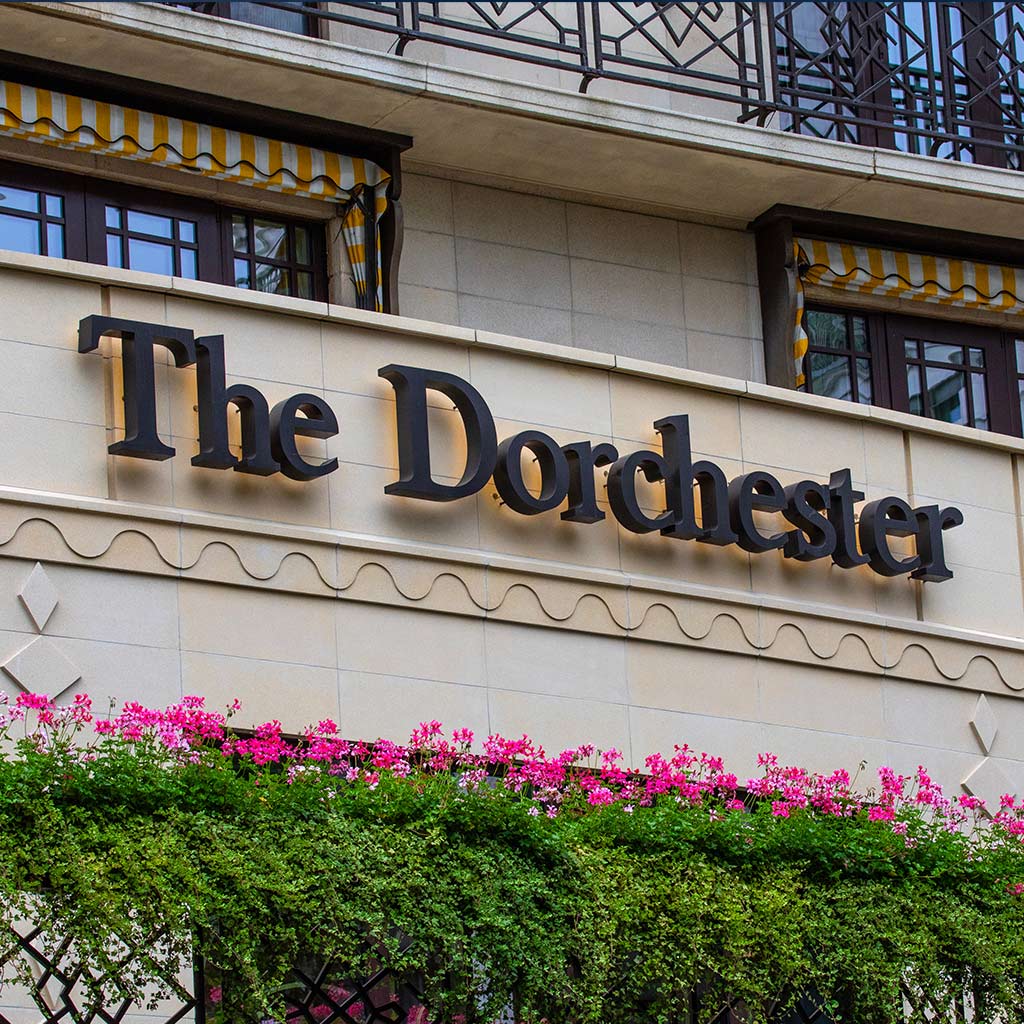
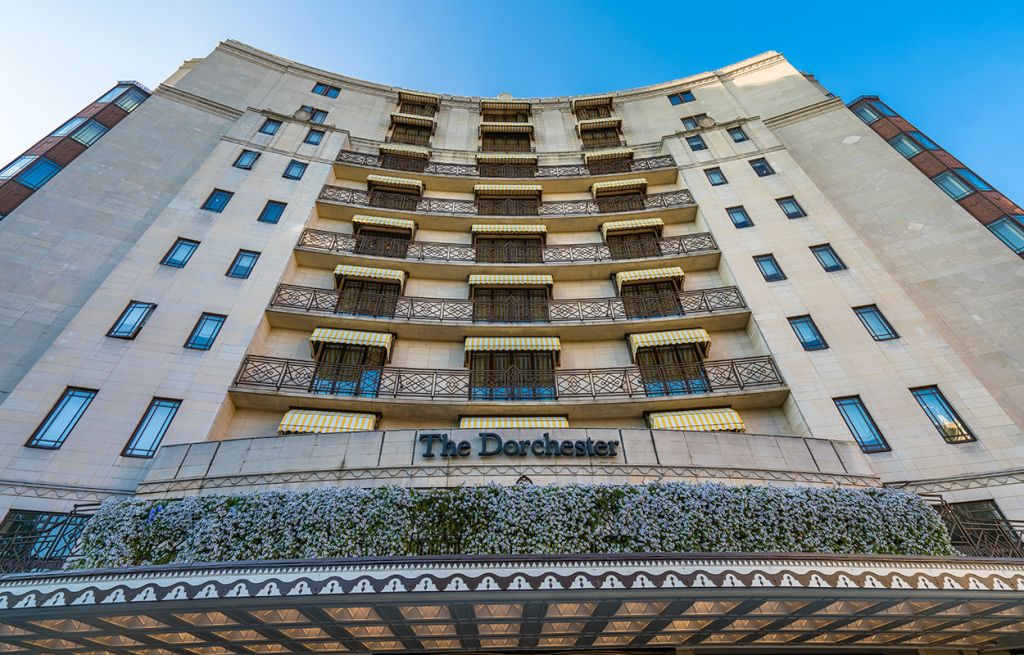
The Dorchester Hotel Park Lane
(Beck London)
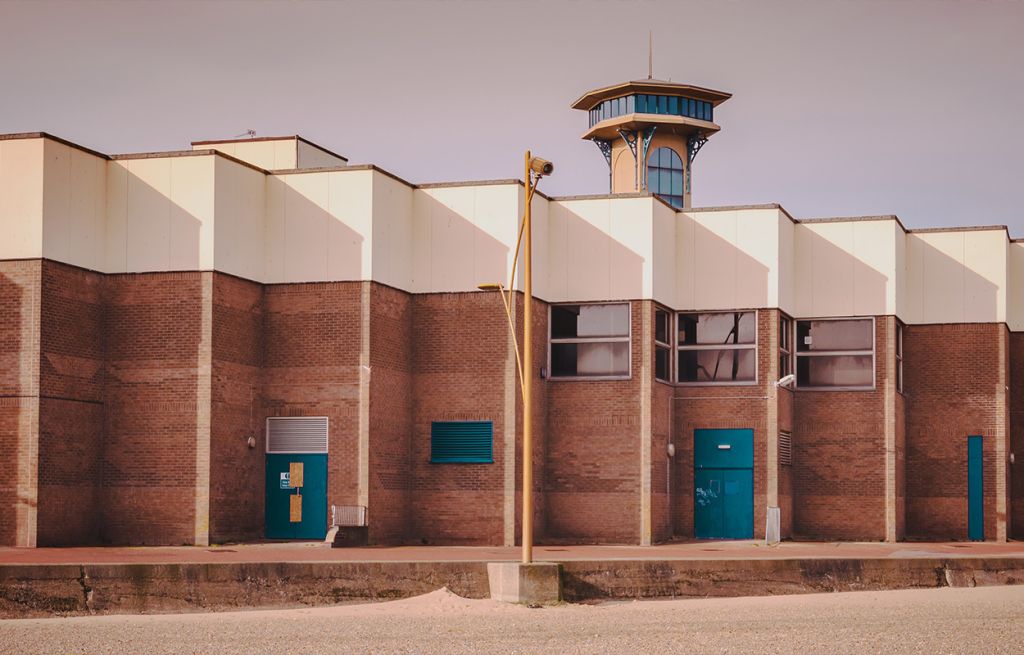
Great Yarmouth Marina Centre
(Morgan Sindall)
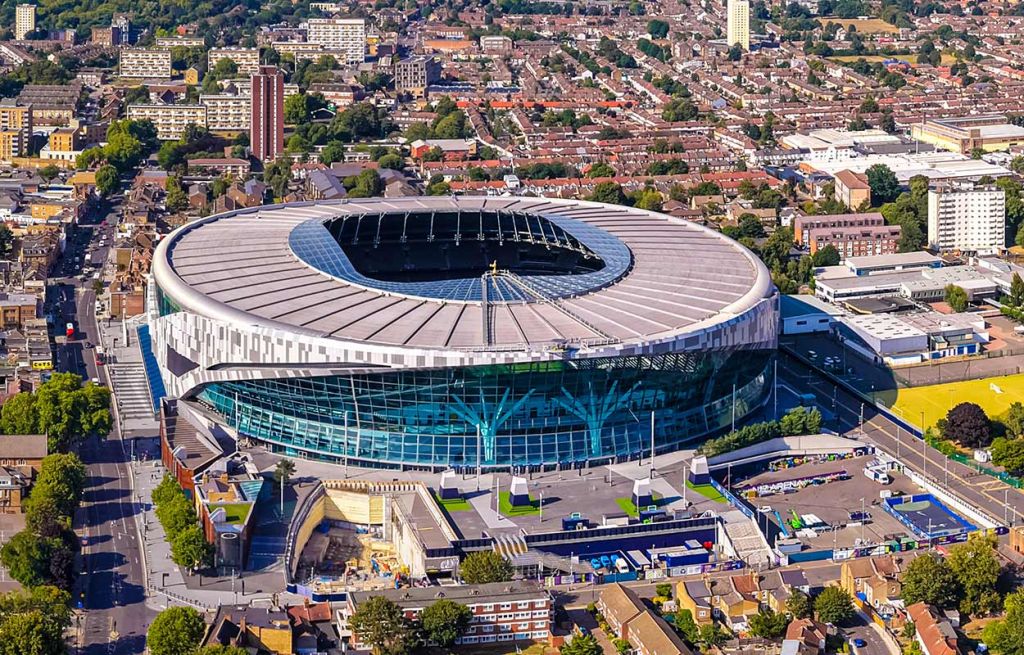
Tottenham Hotspur FC Stadium
(THFC)
